
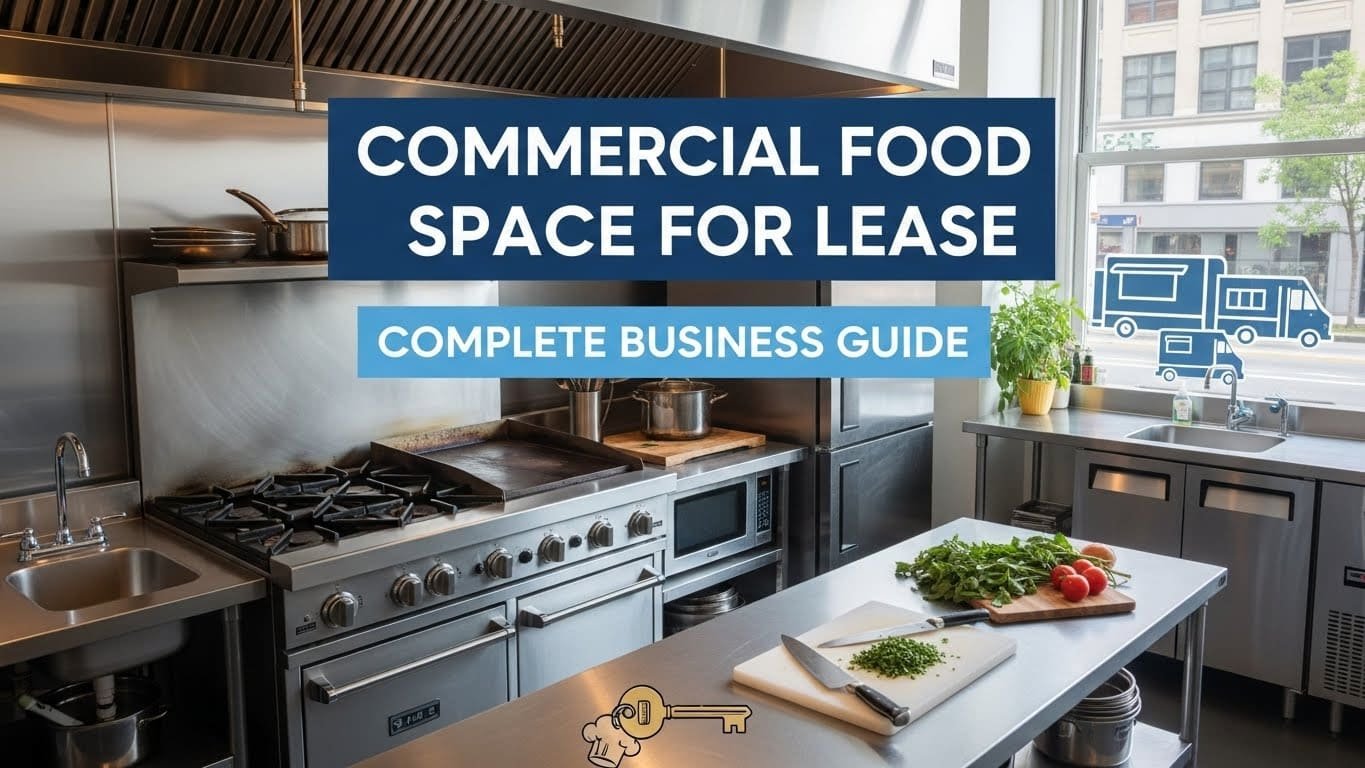
Introduction: Why Commercial Food Space for Lease Is in High Demand
The food and beverage industry is booming, driven by cloud kitchens, cafés, restaurants, bakeries, and QSR brands. As competition increases, choosing the right commercial food space for lease has become a critical business decision. Location, visibility, compliance, and infrastructure can directly impact footfall, delivery efficiency, and profitability.
Instead of investing heavily in purchasing property, many food entrepreneurs prefer leasing commercial food spaces to stay flexible, reduce capital risk, and scale faster. This guide will help you understand everything you need to know—from benefits and locations to costs, legal requirements, and future trends—so you can confidently lease the right food space for your business.
What Is a Commercial Food Space for Lease?
A commercial food space for lease refers to a property rented specifically for food-related businesses. These spaces are designed or approved for food preparation, cooking, serving, or delivery.
Common uses include:
- Restaurants and cafés
- Cloud kitchens and delivery hubs
- Bakeries and confectioneries
- Fast food and QSR outlets
- Food courts and kiosks
Leasing such spaces allows food businesses to operate legally and efficiently without the burden of property ownership.
Benefits of Leasing Commercial Food Space
1. Lower Initial Investment
Buying commercial property requires significant capital. Leasing allows food entrepreneurs to:
- Start operations faster
- Invest more in branding and marketing
- Manage cash flow efficiently
2. Flexibility to Scale or Relocate
When you choose a commercial food space for lease, you gain the ability to:
- Upgrade to a larger location
- Shift to high-demand areas
- Exit underperforming locations
3. Access to Prime Locations
Leasing makes it possible to operate in premium food hubs, malls, and high-footfall streets that may be unaffordable to purchase.
4. Reduced Maintenance Responsibility
In many cases, property owners handle structural maintenance, allowing food operators to focus on business growth.
Best Locations for Commercial Food Space for Lease
Location is everything in the food business. Choosing the right area can determine success or failure.
1. High-Footfall Streets
Ideal for dine-in restaurants and cafés, these locations offer:
- Strong walk-in traffic
- Brand visibility
- Higher sales potential
2. Malls and Food Courts
Malls provide a ready customer base and are perfect for QSRs and franchise brands.
3. Residential Catchments
Cloud kitchens and neighborhood cafés benefit from dense residential areas with high delivery demand.
4. Business Districts
Office zones are ideal for:
- Lunch-focused outlets
- Cafeterias
- Quick-service food brands
Types of Commercial Food Spaces Available for Lease
When searching for a commercial food space for lease, you’ll find multiple formats:
1. Restaurant-Ready Spaces
- Existing kitchen setup
- Exhaust and drainage systems
- Faster launch timelines
2. Bare Shell Units
- Customizable layout
- Suitable for unique concepts
- Higher setup cost
3. Cloud Kitchen Spaces
- Delivery-focused
- Lower rent
- Minimal frontage required
4. Food Court Units & Kiosks
- Shared seating
- High volume sales
- Limited space but strong turnover
Key Factors to Consider Before Leasing Food Space
1. Licensing and Compliance
Ensure the property supports:
- FSSAI license
- Health and fire safety approvals
- Municipal trade license
2. Infrastructure Requirements
Check for:
- Gas pipeline or LPG allowance
- Proper ventilation and exhaust
- Adequate water supply and drainage
3. Visibility and Accessibility
- Road-facing frontage
- Parking availability
- Easy customer access
4. Rental Budget
Factor in rent, deposit, fit-out cost, and monthly operating expenses.
Lease Agreement Essentials for Food Businesses
Before signing a lease for commercial food space, review these clauses carefully:
- Permitted usage for food operations
- Lock-in period and lease tenure
- Rent escalation terms
- Fit-out and modification permissions
- Exit and renewal conditions
A food-friendly lease agreement avoids future disputes.
Cost of Commercial Food Space for Lease in India
Rental costs vary based on city, location, and property type.
Prime locations command higher rents due to demand and footfall.
Who Should Lease Commercial Food Space?
Leasing food spaces is ideal for:
- Restaurant owners
- Cloud kitchen startups
- Café and bakery brands
- Franchise operators
- Food entrepreneurs testing new concepts
Leasing reduces risk while enabling faster market entry.
Step-by-Step Process to Lease Commercial Food Space
- Define your food business model
- Identify ideal customer location
- Fix budget and space requirements
- Shortlist properties
- Conduct site inspection
- Verify legal and compliance approvals
- Finalize and sign lease agreement
Professional platforms simplify this process significantly.
Common Mistakes to Avoid When Leasing Food Space
- Choosing low-footfall locations
- Ignoring licensing limitations
- Underestimating fit-out costs
- Signing restrictive lease terms
Avoiding these mistakes improves long-term profitability.
Future Trends in Commercial Food Space Leasing
The food real estate market is evolving rapidly:
- Growth of cloud kitchens
- Shared kitchen concepts
- Smaller dine-in formats
- Tech-enabled food delivery hubs
Businesses that choose the right commercial food space for lease will stay competitive.
FAQs: Commercial Food Space for Lease
Q1. Where can I find verified commercial food spaces for lease?
You can explore trusted food business properties at https://shoprentmumbai.com, a reliable platform for commercial property leasing.
Q2. Is leasing better than buying food commercial property?
Leasing offers flexibility, lower capital risk, and faster business setup compared to buying.
Q3. What licenses are required for leasing food space?
FSSAI license, fire safety approval, trade license, and local municipal permissions are required.
Q4. Can I convert a normal shop into a food outlet?
Yes, but only if zoning, society rules, and municipal approvals allow food operations.
Q5. What is the standard lease duration for food spaces?
Most food space leases range from 3 to 9 years with lock-in and escalation clauses.
Conclusion: Find the Right Commercial Food Space for Lease
Choosing the right commercial food space directly impacts customer experience, operational efficiency, and brand growth. By evaluating location, infrastructure, compliance, and lease terms, you can secure a space that supports long-term success.
If you are planning to invest in a commercial food space for lease, make a strategic and informed decision.
Ready to launch or expand your food business?
Visit https://shoprentmumbai.com today to explore verified commercial food spaces for lease and get expert assistance tailored to your needs.


